
Around this time of the year, I gave an update on residency and explained what it was: link.
Now, I’m 7 months into my fellowship in Division 1 Sports Physical Therapy at Wake Forest University.
What’s the difference between fellowship and residency? A former fellow at Duke’s program, Nikki Huffman, simplified it best:
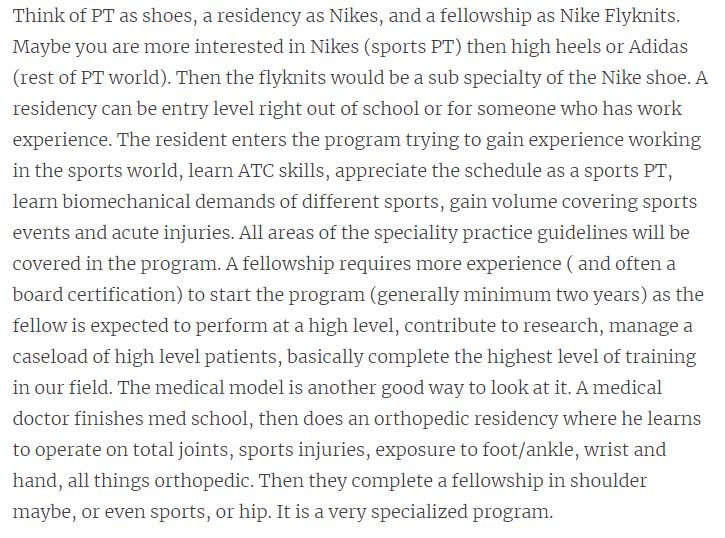
Her full Q and A here: Link
The Reason I Pursued it
I hate learning on another person’s dime. I want to work in Division 1/pro sports, but I want to come in prepared. There’s always a learning curve at every new place, but after fellowship I will come in with more familiarity of the environment.
Residency prepared me for sports rehabilitation: Post-op protocols, surgical considerations, return-to-sports testing, injury prevention, and emergency response. However, due to time constraints of a 12-month program, I wanted more experience with emergency response, practice coverage, and experience with collegiate athletes. My end goal is a career where I can help athlete’s rehab, and see them back in action from the perspective of the sideline. Fellowship made sense for me.
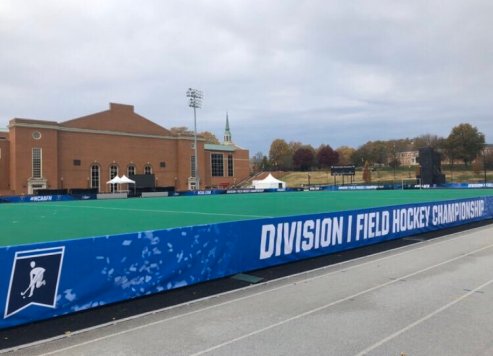
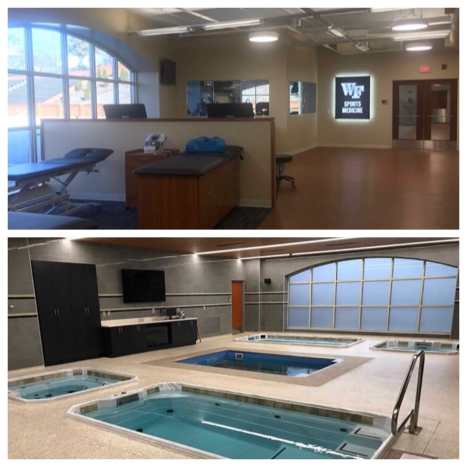
Wake Forest University accepted me, and I am making the most of what my director, Niles Fleet has created. It also doesn’t hurt that Wake Forest just completed $135 million worth of renovations to their athletics facilities (picture credit to Andrew Dye, WSJ):


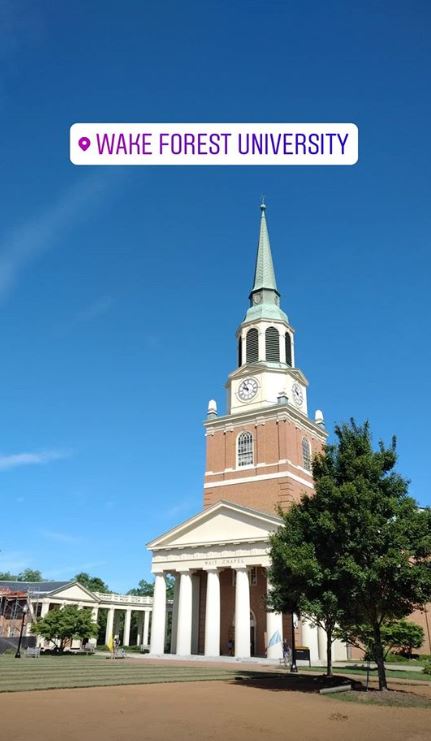
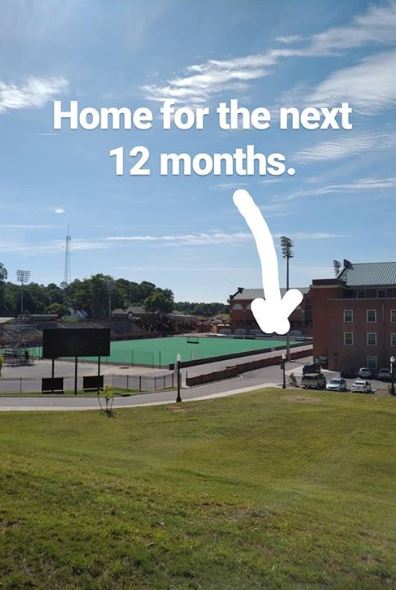
So far fellowship has definitely moved me toward my goals, and poised me for a similar job. Here are the differences between residency and fellowship.
Coverage and Training Room Hours
This is the biggest difference between fellowship and residency, and exactly why I decided to do one.
During residency I completed 300+ hours of training room/practice/game coverage within 12 months. During fellowship, I completed 550+ hours of training room/practice/coverage within 5 months.
Those 5 months were primarily with football. I assisted with taping and treatments, all while observing the important preparation and planning that the ATCs implemented. The preperations ensure safe practices, soft tissue injury reduction, proper triage of care, and overall good health of the athletes.
In residency I covered high school athletes which had a limitation of resources compared to D1 schools. So here it was great to be exposed to what the ATCs could do with the resources of an ACC school.
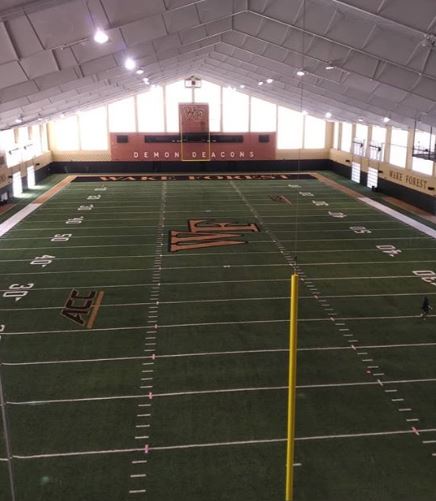
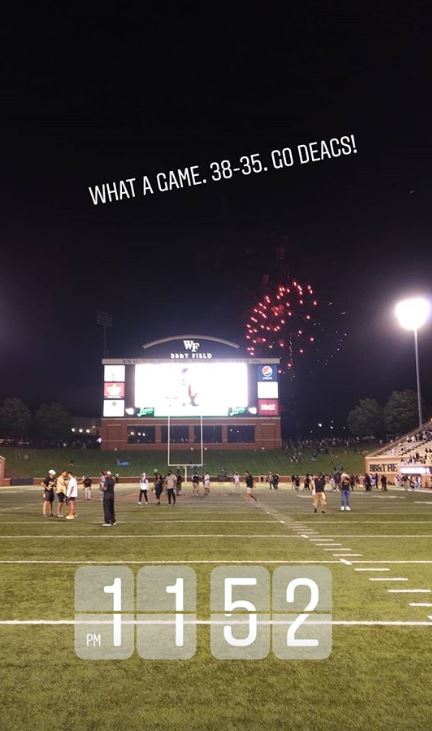
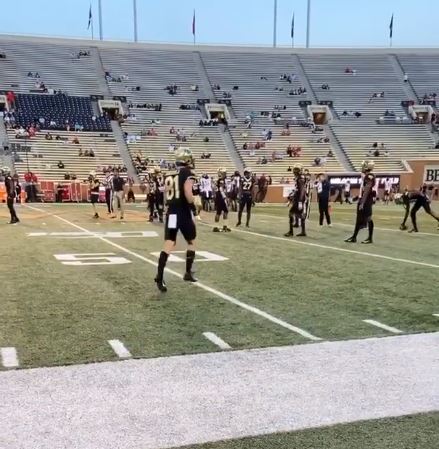
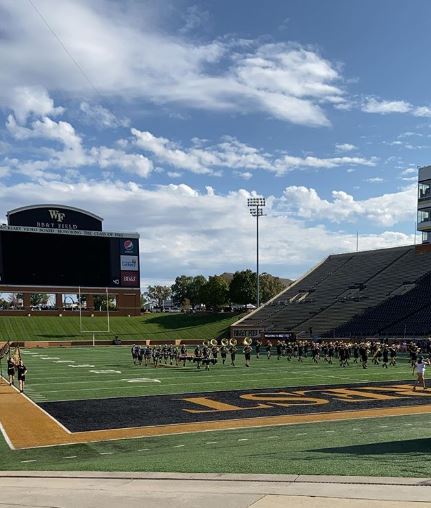
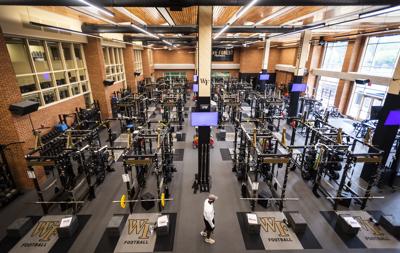
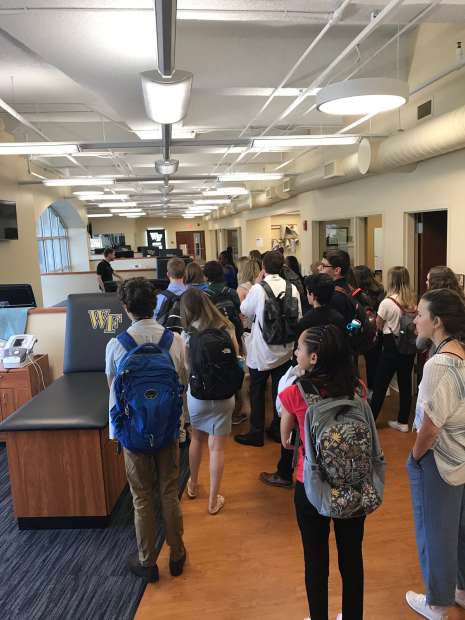
Although I primarily handle surgical cases and complex cases that turned somewhat long-term, occasionally there is free time where I could walk about and talk to strength coaches, ATCs, and physicians (family practice and orthopaedic surgeons). The new build of athletics (article here) brings everyone is in the same building within a 2-minute walk. This enabled me to maximize communication for athletes’ care while gave me valuable experience just talking shop with everyone. Niles Fleet, Chris Hanks, Drew Downing, and Ada Weiss were crucial to my learning experience in the training room with football.
There were frequent nights where I was able to cover women’s soccer games as well. I spent a good amount of time hanging out with Heather Holdson, Dr. Brian Waterman, Dr. Michael Merz, and Dr. Matt Horn. It was also a time I could talk shop quite a bit with the performance team which is led by Tim Wright and his interns Tyler Coe and Matthew Glidewell. Occasionally a few mornings were open for me to join Heather at practice as well. Men’s soccer coverage is a possibility as well, but I was unable to make any of them due to other commitments that came up. In short, opportunity is here and I wanted to make the most of it.
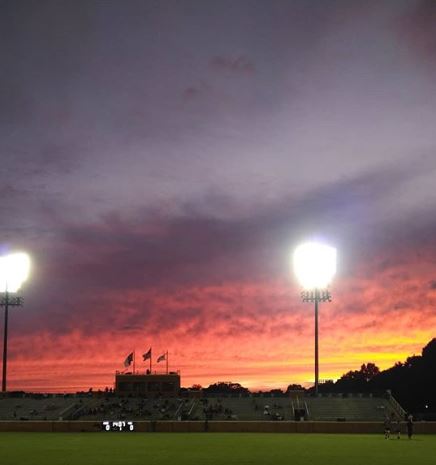
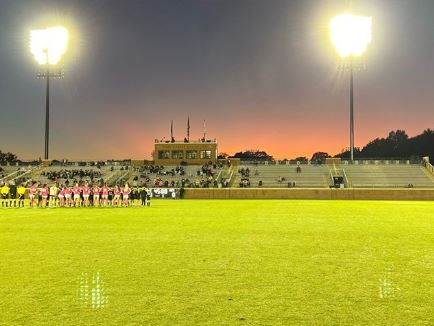
At the time of this post, I’m mid-season into basketball, and feel more confident in the training room thanks to the experiences of football coverage. The basketball staff, Greg Collins, Rich Bertie, and Scott Spernoga, are hilarious and great to bounce discussion off of.
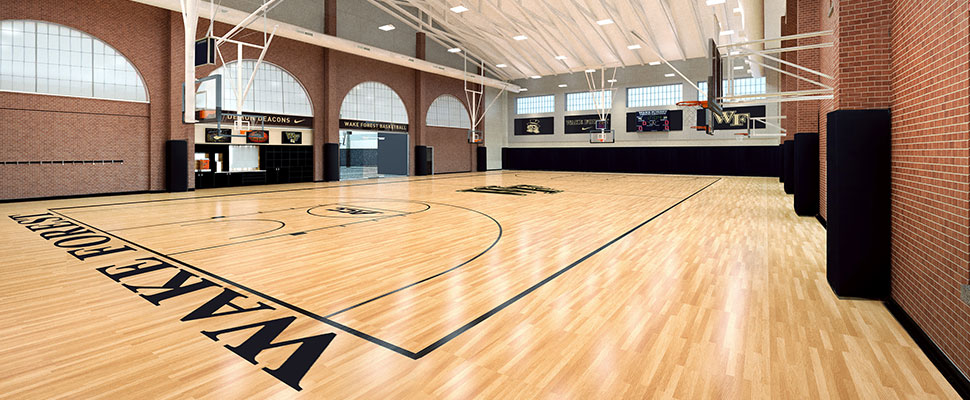
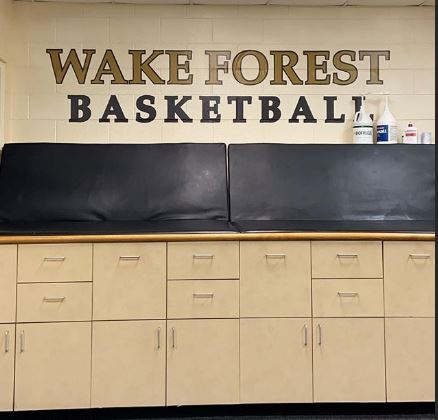
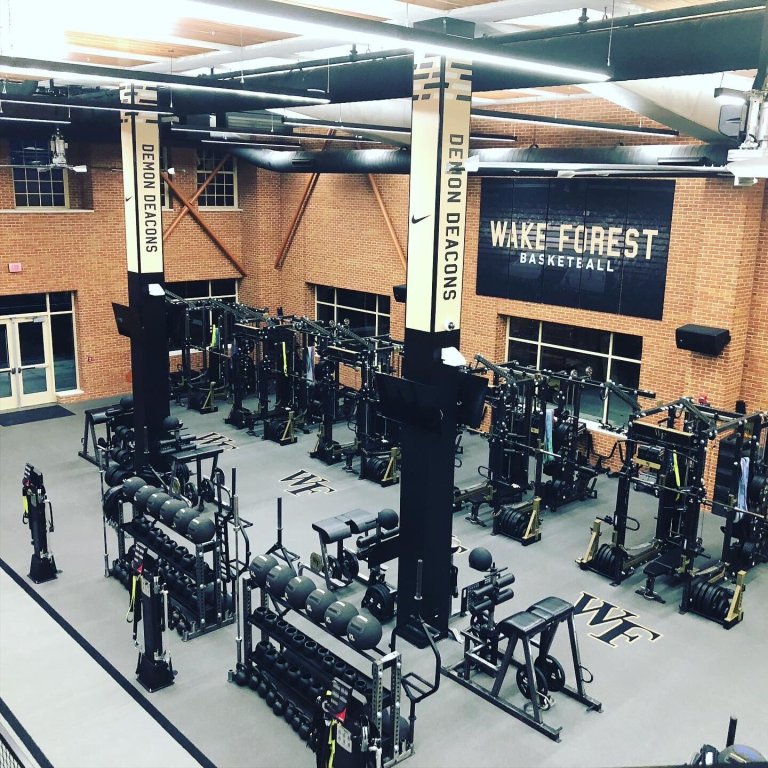
Soon after the basketball season wraps up, I will be spending my last months with baseball learning from Jeff Strahm.
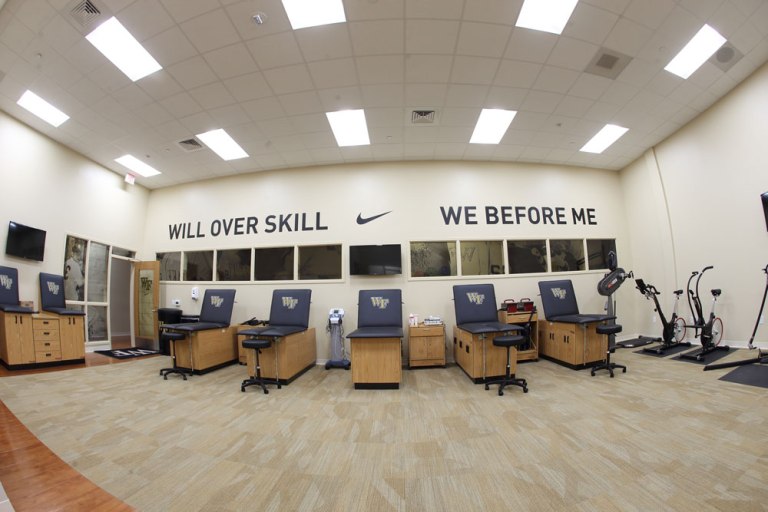
Outside of treatment and coverage time, there is always time to learn and always things to do. Between 12-20 hours of patient care in the training room, I make an effort to talk to other during gaps. In residency the emphasis was time in the clinic, whereas in fellowship it is the training room.
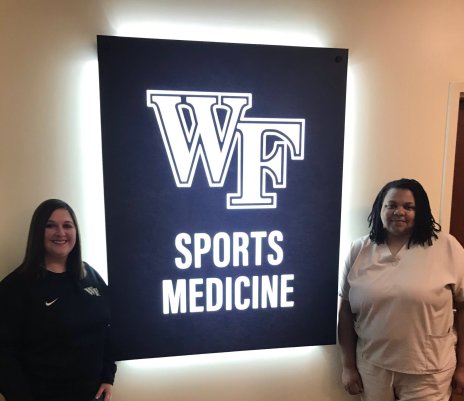

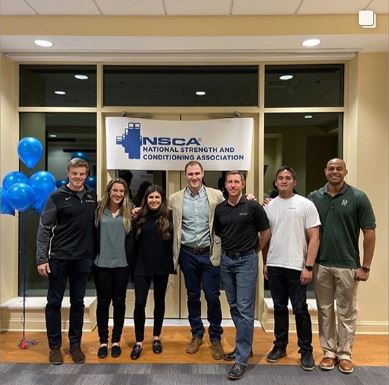
Didactics
I’m a big supporter of residency because I feel it’s in residency that you get the high caseload of athletes and post-operative cases needed to become an expert in treating sports-related surgeries relative to treating in a general ortho clinic for a year. Additionally, it is in residency where I went through over 300+ articles to learn current concepts in sports PT. The didactic lecture hours at Wake Forest are less than residency, but act as a good way to reinforce past topics. This is reflected in the hours. For residency I spent 4 hours a week on didactic lectures, while in fellowship I spend 1 hour a week. To bolster up lecture style content journal clubs are held every other week. Conferences with the primary care physicians and morning surgical rounds with the surgical fellows and residents compose other lecture style opportunities. The most valuable part of didactics is the Division 1 specific cases that Niles, Dr. Darren Nabor, Dr. Brian Waterman, Dr. Kevin Coates, Dr. Gary Poehling, Dr. Cristin Ferguson, and Dr. John Hubbard bring up during these lectures and rounds.
For sure my favorite part is the surgical rounds. I now have a better understanding of the amount of knowledge, time, and effort surgeons put into patient care. It helps me understand the many possible surgeries and rehab implications. They all have great humility yet confidence, and it challenges me to think outside the box oh rehab.
So although actual didactics time was more in residency (4 hours didactics), the combined hours of lecture/discussion of fellowship is the same (1 hour didactic, 1 hour journal club, 1 hour primary care conference, 1 hour surgical rounds).
“Work” Hours
There’s really no beating around the bush here. You’re going to be at work a lot. For that reason you have to LOVE it. This was a very hard year for me outside of fellowship, and despite those hardships, the love of helping the Wake Forest athletes get better kept me going. In short, most days are good, more days are great, and few days are bad. Love of the field and a positive mindset is a necessity in fellowship.
During residency, I peaked at 80 hours a week, and averaged 60 hours a week (not including self-study and project time at home).
For fellowships the break down is below (not including self-study and project time at home):
- During football camp: 115+ hours a week
- During football season: 80+ hours a week
- During basketball: 65+ hours a week
Things are much easier right now, and get used to it after camp. There is no such thing as work-life balance in sports physical therapy, and that’s fine by me. There’s a work-life pendulum, and you can sway to one side more at times than others with the expectation that the pendulum stays towards work more often. Hours were tough, but stress was very low due to the variety and the cool parts about the work.
Clinical Reps
When I talked to my residency directors about fellowship, they said based on my goals it was a no-brainer specifically regarding Wake Forest’s program.
In addition to the hours in the training room, I treat 20-30 hours a week at our sports medicine outpatient clinic. The same surgeons and primary care docs for Wake also work out of this building. The reason my residency directors were very supportive of the Wake Forest’s program was that the clinic truly sees 95% sports with 75% of them being younger than 30 years old. Mentorship hours with Per Kristian Moerk and Michael Way occur here in the second and last third of fellowship.
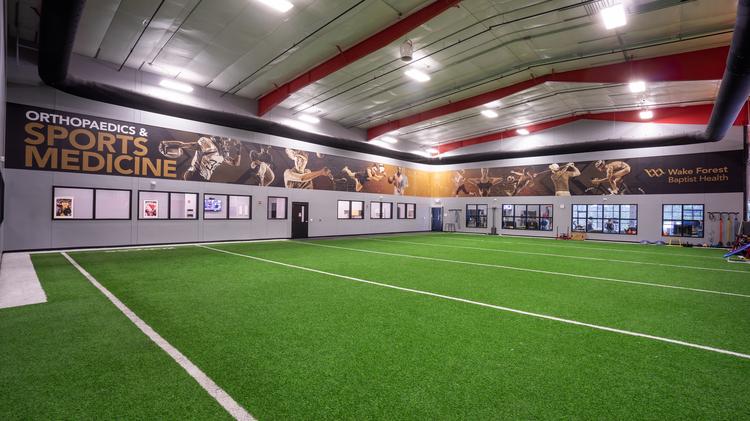

Yes, there are HUGE differences in treating in the training room compared to the outpatient clinic, but I feel I have become way stronger from the high reps of sports cases I’ve gotten at the clinic. In residency, the sports cases were about 45%, and I worked about 20-25 hours a week of patient care in clinic.
Working with College Athletes
What’s next for me? Currently that’s up in the air. I loved the collegiate settings for the reasons I thought I would, an the #1 reason is the joy of getting to know the athletes.
A few may transfer, but most stay for 4-6 years, and you get to see them grow up during a crucial part of their life. The relationships I have with my athletes are the highlight of this year, and is the reason I enjoy coming into work every day (even on the weekends!). They all interesting and unique pasts; the more I’m around them, the more I learn about life in general.
You certainly get to this experience from learning about all your patients anywhere, and I loved my time getting to know my patients in California and Wisconsin. More specifically, it’s the college experience for these athletes that I enjoy seeing them grow through. College was a special time for all of us. For me, the fact that they have insane skill, talent, and work ethic is merely a perk of working with them. The real joy is that you get to witness them become excellent human beings through the good times and bad times.
Additionally, I get to check in with them for several years (and daily most times). Whereas in outpatient clinics I lose touch with patients because I try to get them better quickly and out of the clinic (and reduce injury risks so I don’t see them again).
Hope you enjoyed reading about the differences while also getting a peak into my year. Lastly…
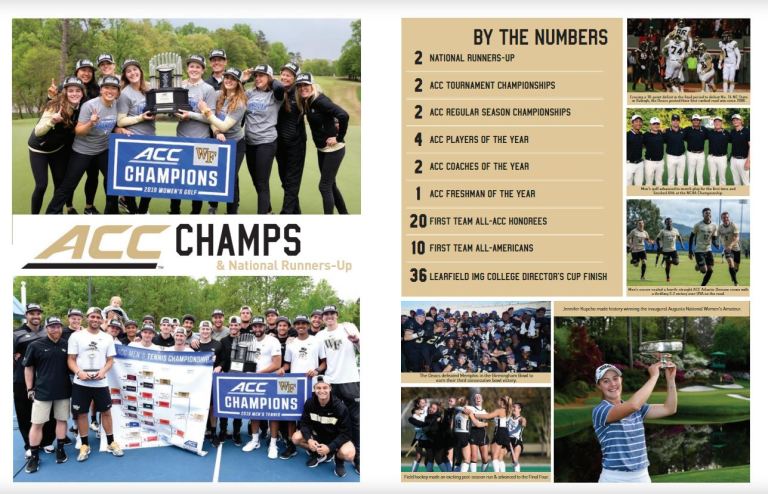
Go Deacs.
 Articles and resources for enhanced sports medicine rehab and career development